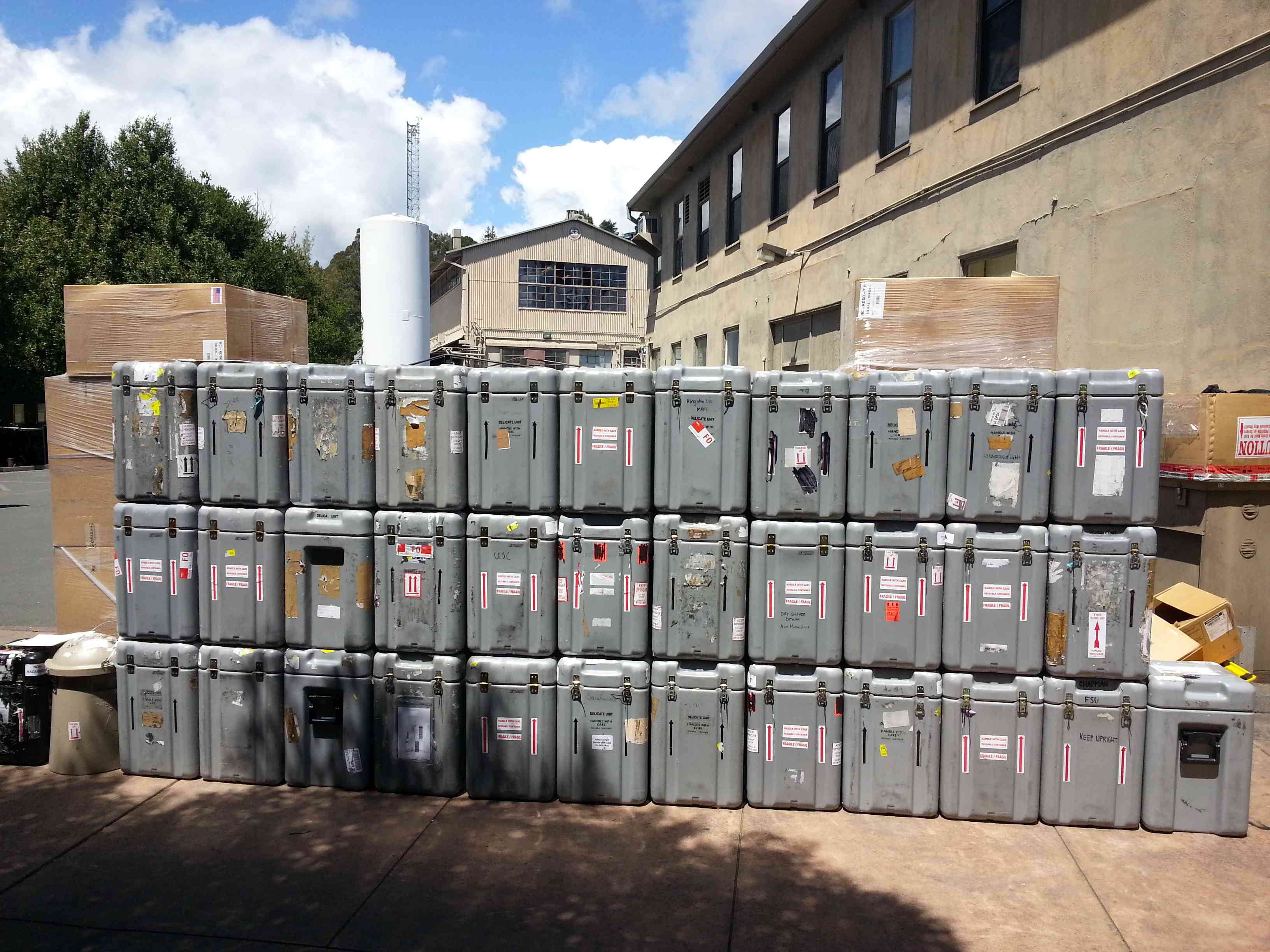
Where have all the CCDs gone?

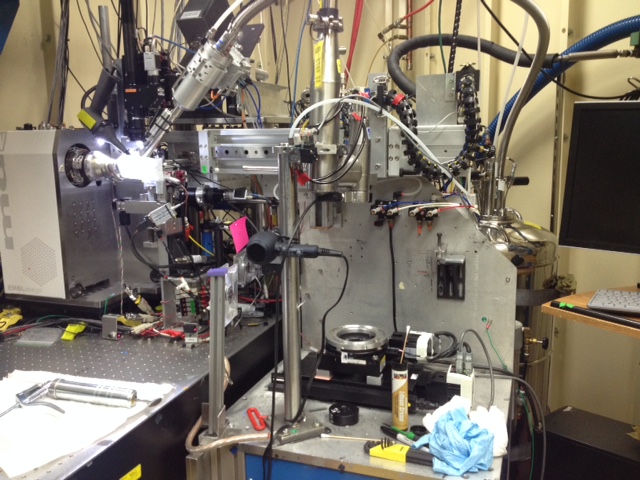
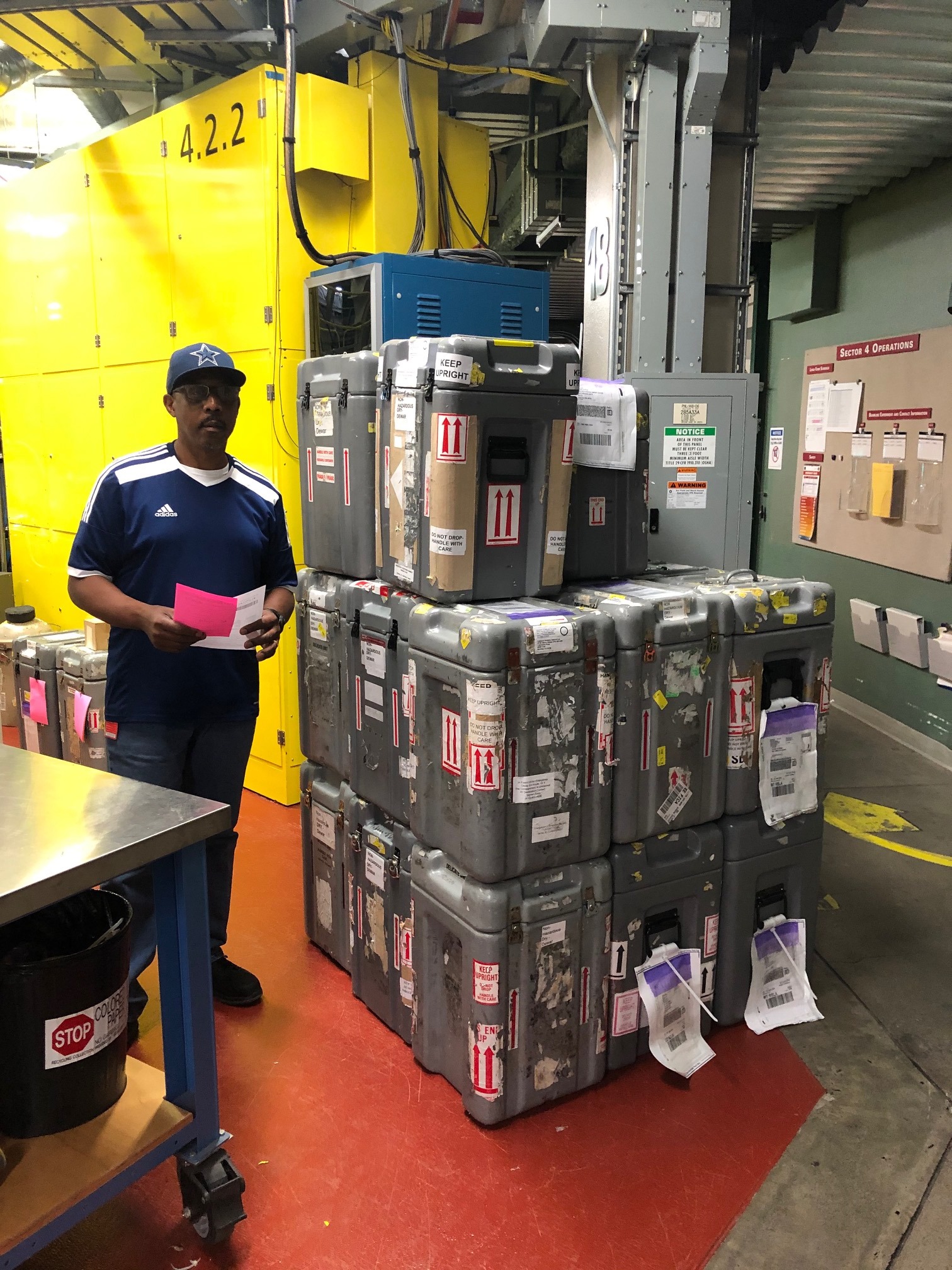
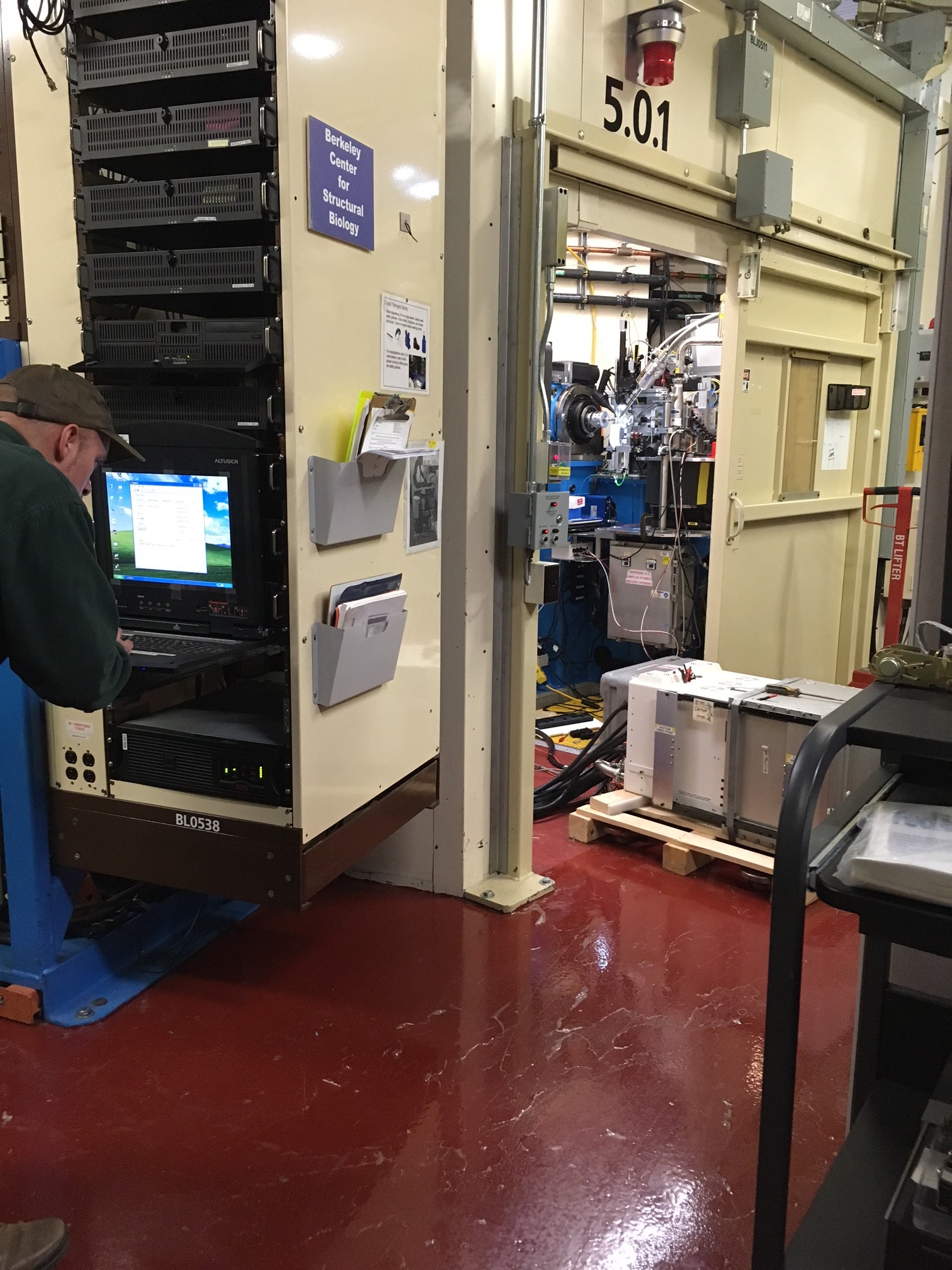
During the January shutdown, we decided to test the two Q315R detectors that used to live in beamlines 5.0.1 and 5.0.2. Fortunately, they still work! Once Gemini is commissioned (at the end of this year, if all goes well) then we will have to take the Pilatus out of 5.0.1 and move it over to Gemini. Therefore, good to know that the Q315R is still good. Here it is being tested on the floor at 5.0.1.
Similar Posts

  • a new SULI student at the BCSB

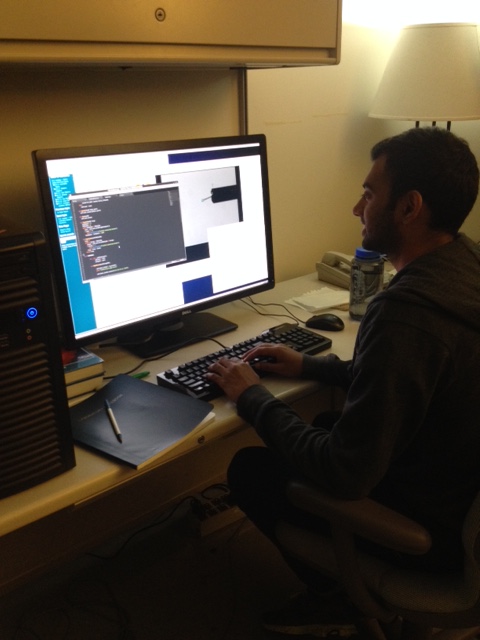
    A special welcome to our SULI student, Sayan Roychowhury, who is majoring in Electrical Engineering and Computer Science at the University of Illinois. He is here with us for the fall term, and writing code to process visual images of protein crystals and center them automatically in the x-ray beam. SULI is the Science Undergraduate Laboratory Internship program in which the host lab (in this case, LBNL) pays for a student to work for a few months to gain experience at a national lab and to encourage students to remain in STEM fields.

    Sayan_R_workin

  • Pin base warmer is coming along…

    Anthony installed the first pin base warmer on 5.0.2 today. We have to wait until the ALS has LN restored before we can test it. One thing to note: the people we spoke to at NE-CAT about their pin base warmer told us that it does not actually solve the icing issue completely. They still do see pins move on the goniometer after mounting. Hopefully the warmer will help a bit, though!
    pinbase_warmer2

  • BCSB User Forum

    The BCSB is planning on starting a monthly User Forum to solicit feedback from users on the current and future use of the beamlines. We’d love to hear from you about the direction that the BCSB should be taking in terms of beamline upgrades, features, and general operations. If you are interested in participating in the forum, please contact Corie Ralston.

  • The User Forum continues…

    Our second User Forum was on March 4, in which we discussed the purchase of a pixel-array detector for beamline 5.0.2. The exciting news since then is that we will be able to purchase a Pilatus 6M for the beamline. Expected delivery is in September of this year.

    The third User Forum was on April 2, in which we discussed the diode-beamstop device which the BCSB is developing (allows measurement of flux during data collection), as well as the MiniKappa interlocks on beamline 5.0.2, which will now allow a full 360 rotation of omega (sometimes called Phi) with a maximum kappa angle of 55 degrees.