Goodbye, Charlie!
Sadly, today was Charlie Eigenbrot’s last PRT meeting, since he is retiring from Genentech in June. We will miss him! (But we do hope we comes back to visit us periodically at the synchrotron)
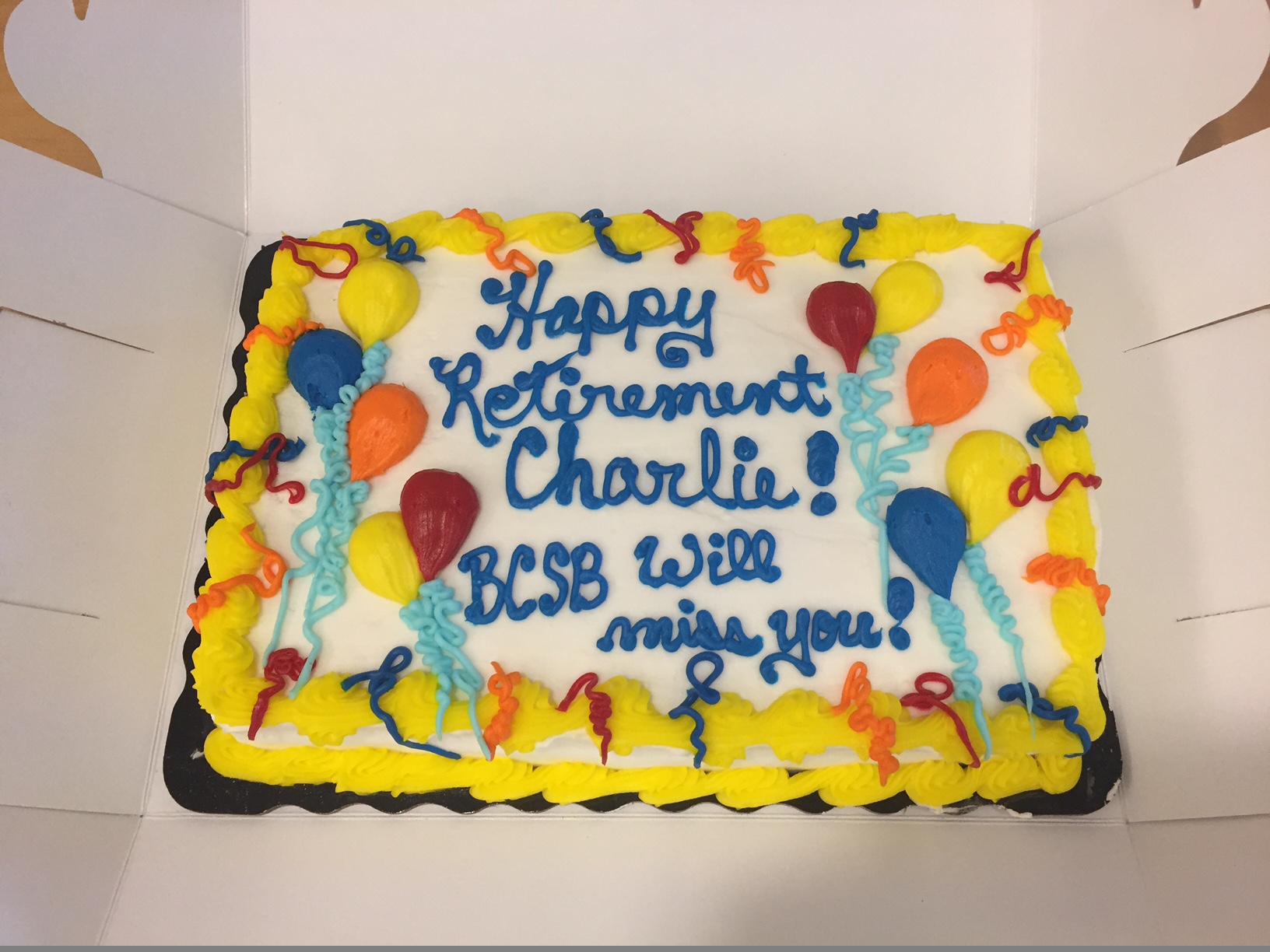
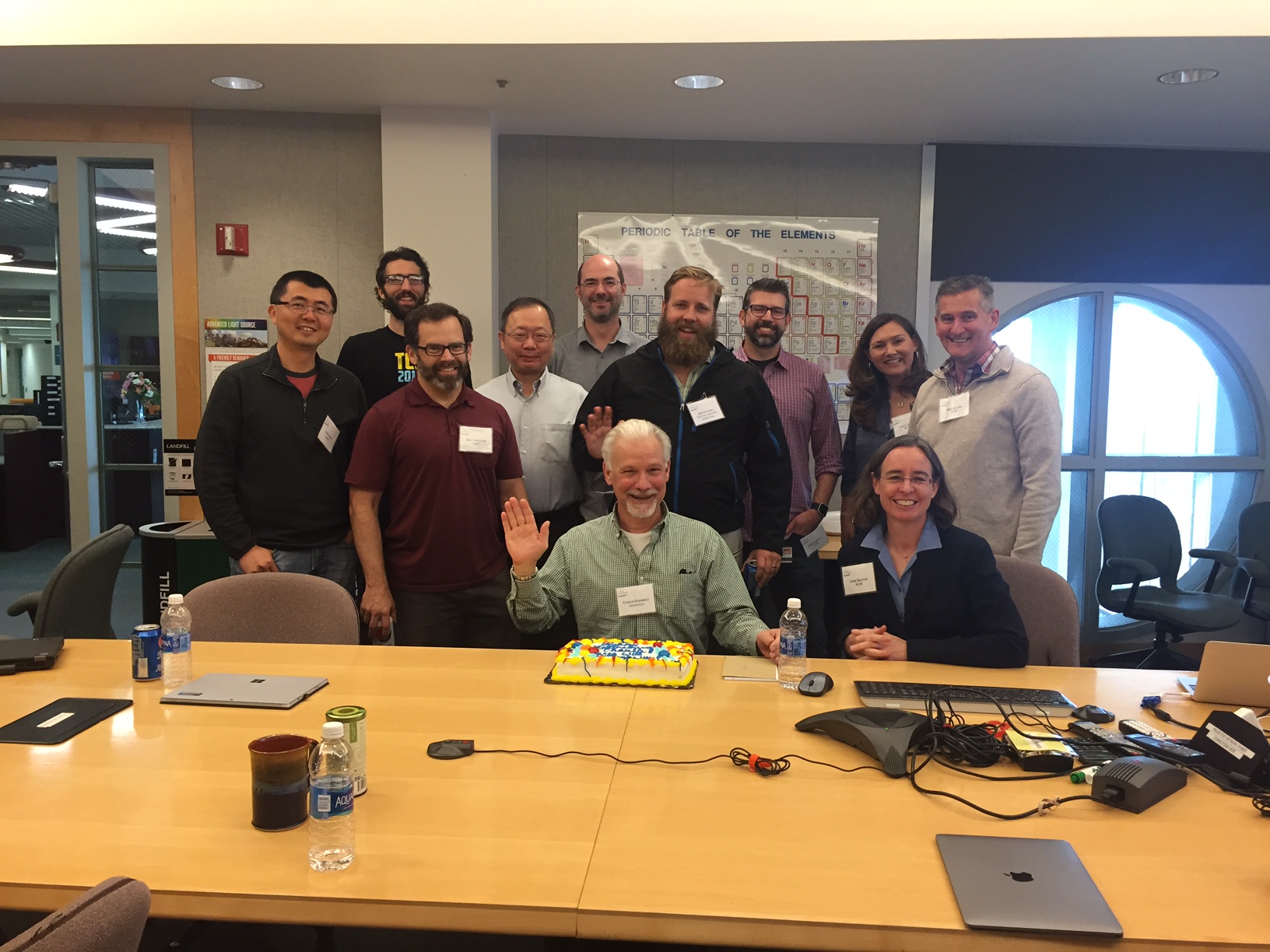
Sadly, today was Charlie Eigenbrot’s last PRT meeting, since he is retiring from Genentech in June. We will miss him! (But we do hope we comes back to visit us periodically at the synchrotron)
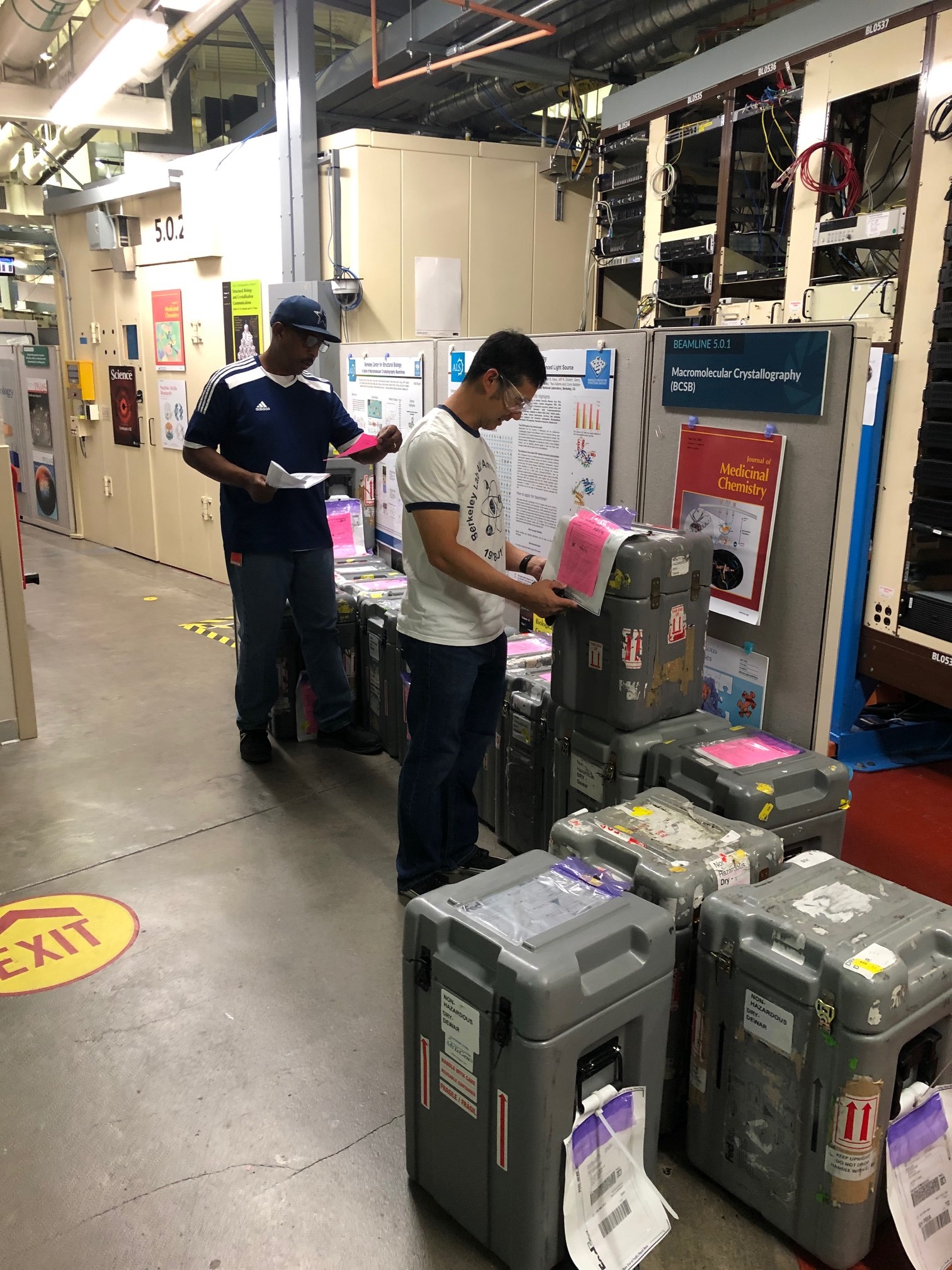
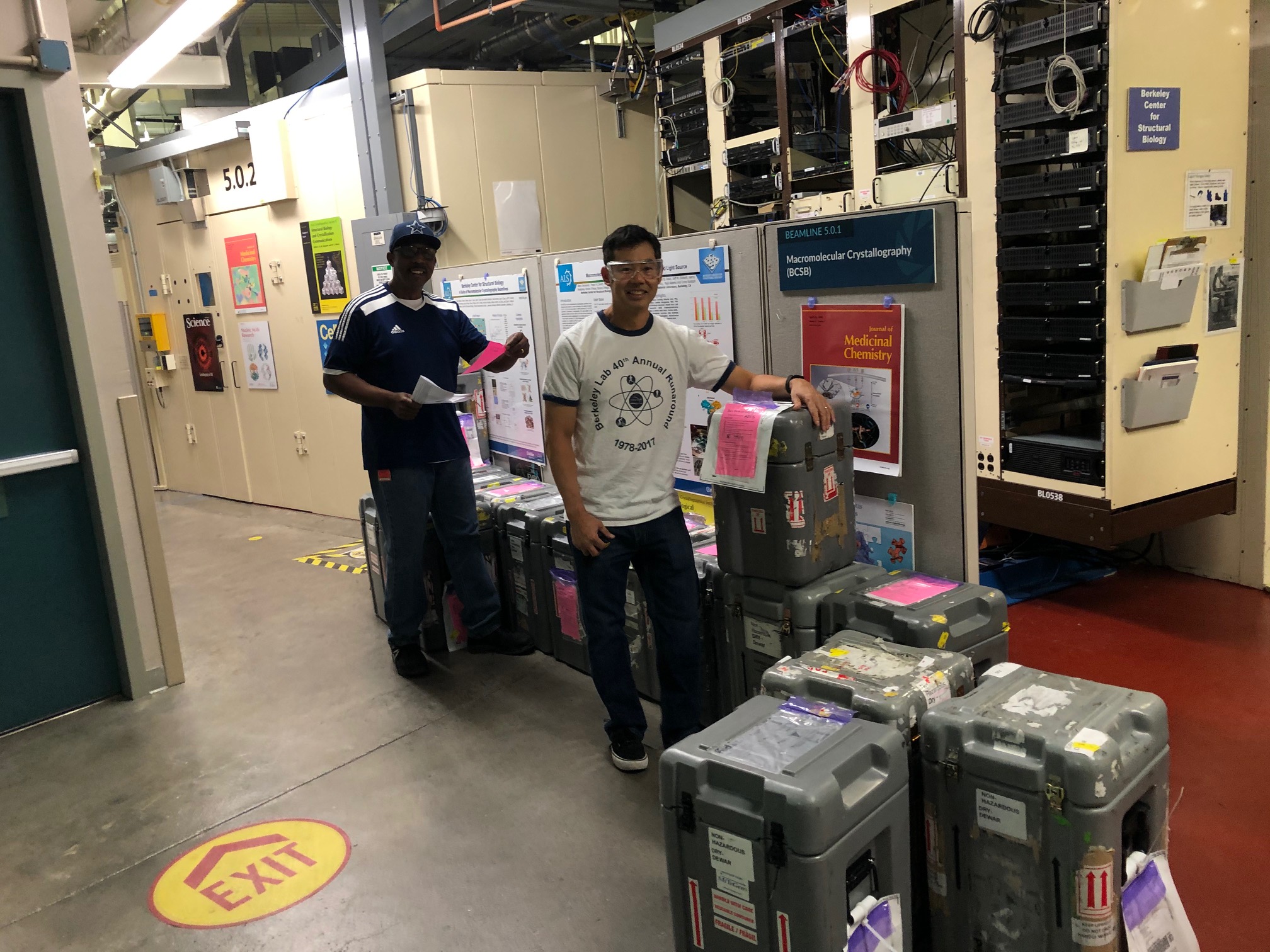
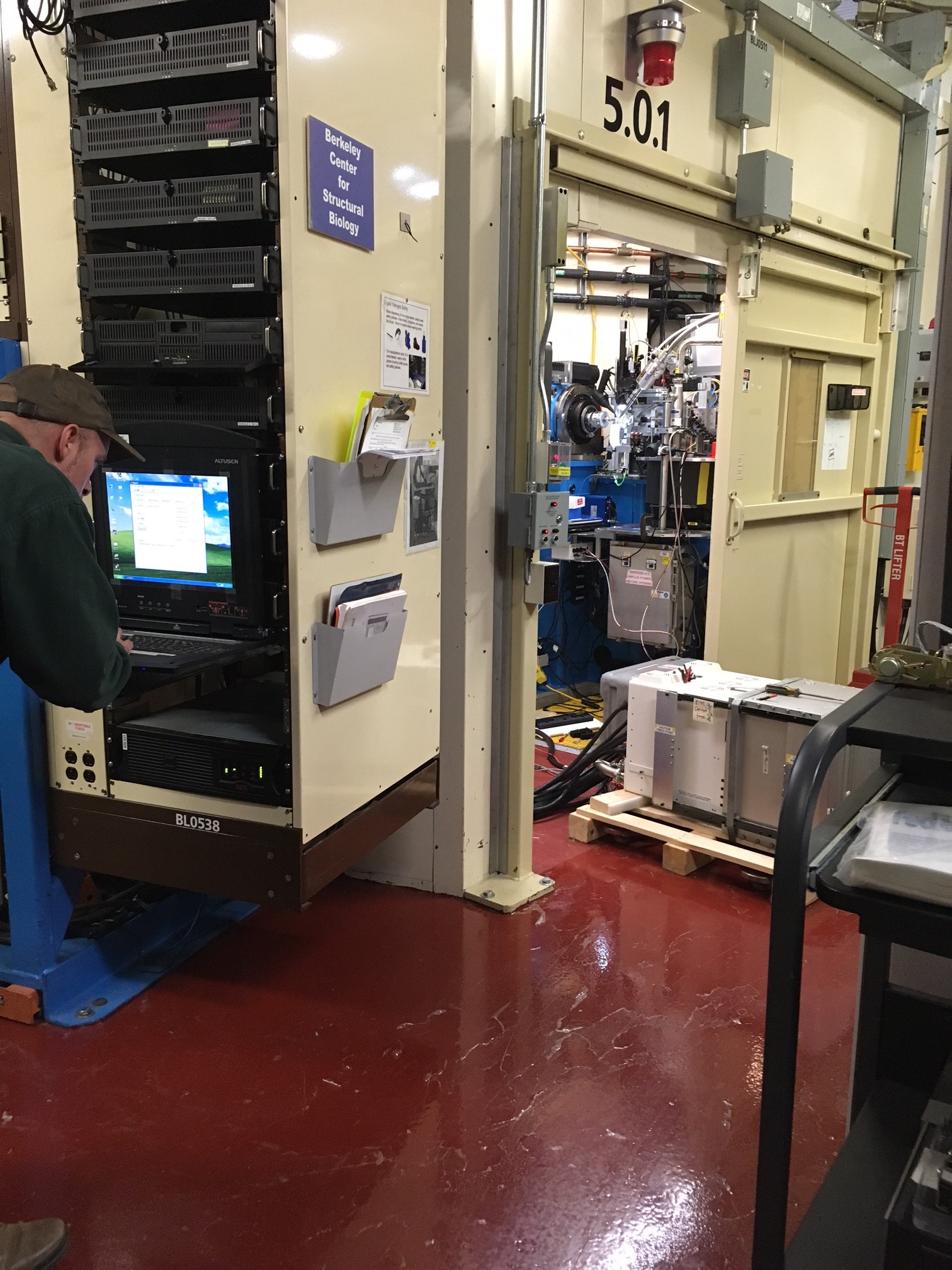
During the January shutdown, we decided to test the two Q315R detectors that used to live in beamlines 5.0.1 and 5.0.2. Fortunately, they still work! Once Gemini is commissioned (at the end of this year, if all goes well) then we will have to take the Pilatus out of 5.0.1 and move it over to Gemini. Therefore, good to know that the Q315R is still good. Here it is being tested on the floor at 5.0.1.
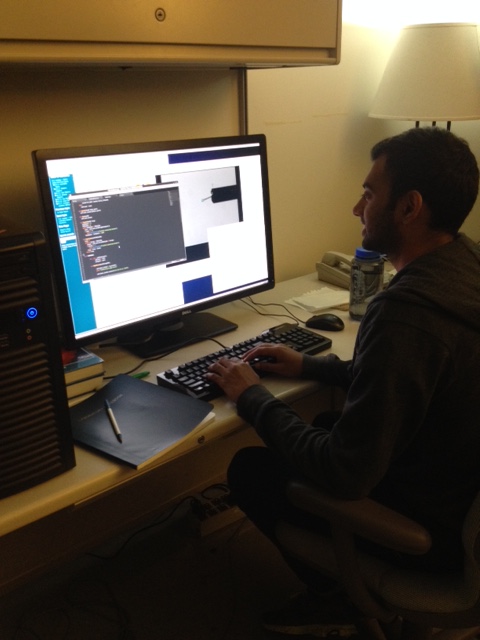
A special welcome to our SULI student, Sayan Roychowhury, who is majoring in Electrical Engineering and Computer Science at the University of Illinois. He is here with us for the fall term, and writing code to process visual images of protein crystals and center them automatically in the x-ray beam. SULI is the Science Undergraduate Laboratory Internship program in which the host lab (in this case, LBNL) pays for a student to work for a few months to gain experience at a national lab and to encourage students to remain in STEM fields.
ALS is down for the month of July and the first week or so of August. We are taking the opportunity to do a bunch of preventative maintenance on our beamlines. Some of the items include: – cleaning the Be window on 502 (may help to decrease scatter in images) – replacing air lines –…
The compact dynamic beamstop (formerly known as the diode beamstop) has been announced as a finalist for this years R&D100 award! Simon Morton and Diane Bryant are invited to the Awards Banquet in Washington DC later this year.

Our second User Forum was on March 4, in which we discussed the purchase of a pixel-array detector for beamline 5.0.2. The exciting news since then is that we will be able to purchase a Pilatus 6M for the beamline. Expected delivery is in September of this year.
The third User Forum was on April 2, in which we discussed the diode-beamstop device which the BCSB is developing (allows measurement of flux during data collection), as well as the MiniKappa interlocks on beamline 5.0.2, which will now allow a full 360 rotation of omega (sometimes called Phi) with a maximum kappa angle of 55 degrees.